
What a Pull-Force Test Tells You About a Crimp
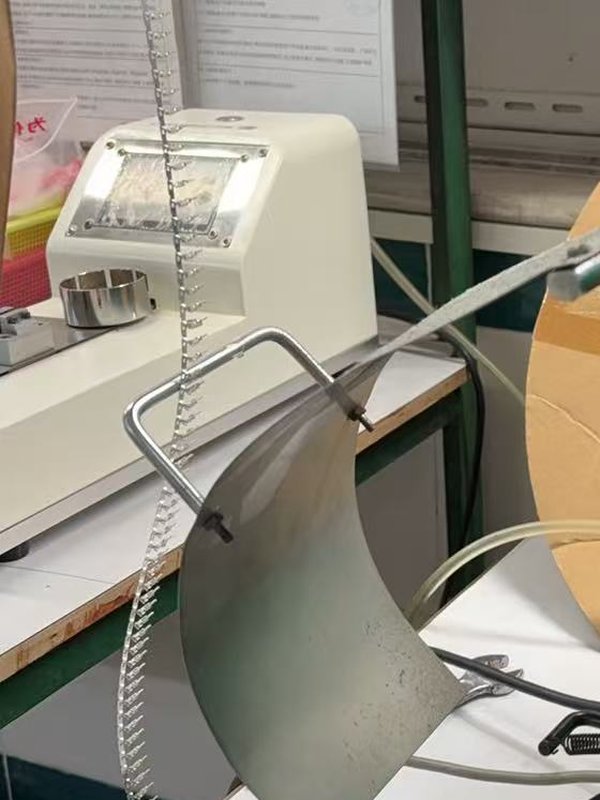
A crimp joins wire and terminal by pressure alone. It looks the same whether it is good or poor, so it has to be measured. The pull-force test is the most common check.
What the test does
A crimped sample is clamped in a force tester and pulled until the wire comes out of the terminal or breaks. The peak force is compared with the minimum value for that wire gauge and terminal.
When it is done
- At set-up: after the applicator is fitted and crimp height is adjusted, before the run starts.
- During the run: at agreed intervals, to catch wear or drift.
- After changes: whenever the terminal reel, wire lot or applicator changes.
What it does not show
A pass means the terminal holds the wire. It does not show strand damage or voids inside the crimp. Crimp height measurement and visual checks cover those, and some customers also ask for cross-section analysis.
What to ask your supplier
Ask which minimum force values they use, how often samples are pulled, and whether results are recorded per batch.
Have a harness or connector to quote? Send us your drawing and requirements.
Request a Quote →
